


The competing content around beginner prayer commonly explains that prayer is personal communication with God, encourages honesty, and recommends simple structures such as praise, thanksgiving, confession, and asking. Recent Christian prayer guides also emphasize that beginners do not need impressive vocabulary or a perfect setting before they start praying.
The main opportunity is to make the subject more practical and directly answer the question of how to begin a prayer in different real-life situations. A useful guide should explain opening words, different prayer styles, what to say when you have no words, how to use Scripture, how to pray when emotional, and how to develop a consistent prayer habit.
Another gap is variety. Beginners may need a very short prayer, a heartfelt prayer, a morning prayer, a prayer for guidance, a prayer for forgiveness, or a simple prayer before sleep. Providing these variations makes the content more useful without forcing readers into one rigid formula.
How to Begin a Prayer
If you have ever sat quietly and wondered how to begin a prayer, you are not alone. Many people want to pray but become stuck because they think they need perfect words, a long speech, or a special formula. In reality, Christian prayer can begin simply by turning your attention toward God and speaking honestly.
Learning how to begin a prayer does not require you to become an experienced speaker. You can begin with a simple greeting, a word of thanks, praise for God, or an honest statement about what is happening in your heart.
The most important thing is sincerity. Prayer is not a performance. It is an opportunity to come before God with gratitude, questions, needs, hopes, struggles, and faith.
If you are learning how to begin a prayer, start with what is true for you right now. You might say, “Lord, I am here,” “God, thank You for today,” or “Father, I need Your help.” A simple beginning can lead into a meaningful conversation with God.
Christian prayer guides commonly emphasize that there is no single required formula. The Church of England, for example, explains that people can pray regularly using different approaches and that beginners do not need to know a collection of prayers before they begin.
What Does It Mean to Begin a Prayer?
Before learning how to begin a prayer, it helps to understand what beginning actually means.
Beginning a prayer means intentionally turning your heart and attention toward God. It can happen in a quiet room, beside your bed, while walking, during a difficult moment, or in a church service.
You do not necessarily need a long introduction. A prayer can start with God’s name, a statement of gratitude, a request for help, or a sentence describing how you feel.
For example:
“Father, thank You for giving me another day. Please guide my thoughts, words, and decisions today.”
This simple beginning contains several important elements: addressing God, expressing gratitude, and asking for guidance.
How to Begin a Prayer in Simple Steps
If you are still unsure how to begin a prayer, use this simple five-step pattern.
1. Become Still
Take a moment to slow down. Put away distractions if possible and take a calm breath.
You do not need a perfect environment. However, a quiet place can make it easier to focus.
2. Address God
The next step in how to begin a prayer is to speak to God.
You can say:
- “Father”
- “Heavenly Father”
- “Lord”
- “Dear God”
- “Father in Heaven”
Choose words that feel natural within your Christian faith.
3. Praise God
After addressing God, recognize who He is. You can praise Him for His love, mercy, wisdom, faithfulness, holiness, or presence.
For example:
“Lord, You are faithful, loving, patient, and full of mercy.”
Praise can help shift your attention away from distractions and toward God.
4. Give Thanks
Another helpful part of how to begin a prayer is gratitude.
Thank God for something specific:
“Thank You for my family, for the people who care about me, and for the strength You have given me.”
Your gratitude does not have to be complicated.
5. Speak Honestly
Once you have begun, tell God what is actually on your heart.
You may be happy, afraid, confused, grateful, angry, tired, hopeful, or uncertain.
Prayer can make room for honest emotions.
A Simple Formula for How to Begin a Prayer
If you need a repeatable structure, remember:
Address → Praise → Thank → Share → Ask → Listen
This is not a rigid rule. It is simply a helpful framework.
For example:
“Heavenly Father, You are good and faithful. Thank You for carrying me through this day. I am worried about what is happening in my life, and I need Your wisdom. Please guide me and help me trust You. Help me recognize what I need to do next. Amen.”
This example demonstrates how to begin a prayer without requiring complicated language.
Jesus’ teaching on prayer, particularly the Lord’s Prayer, provides Christians with a model that includes reverence for God, surrender to God’s will, daily needs, forgiveness, and protection.
How to Begin a Prayer When You Do Not Know What to Say
Sometimes the biggest obstacle is not knowing the right words.
If you are wondering how to begin a prayer because your mind feels completely blank, start by admitting that.
You can say:
“God, I do not know what to say, but I want to talk to You.”
That is already a beginning.
You can also pray:
“Lord, teach me to pray.”
This echoes the disciples’ request in Luke 11:1, when they asked Jesus to teach them to pray. The fact that Jesus’ disciples asked this question shows that uncertainty about prayer is not unusual. Guideposts also highlights this moment as encouragement for people who want to develop a stronger prayer life.
If words remain difficult, read a Psalm and turn its themes into your own prayer. Scripture can provide language when your own words are difficult to find.
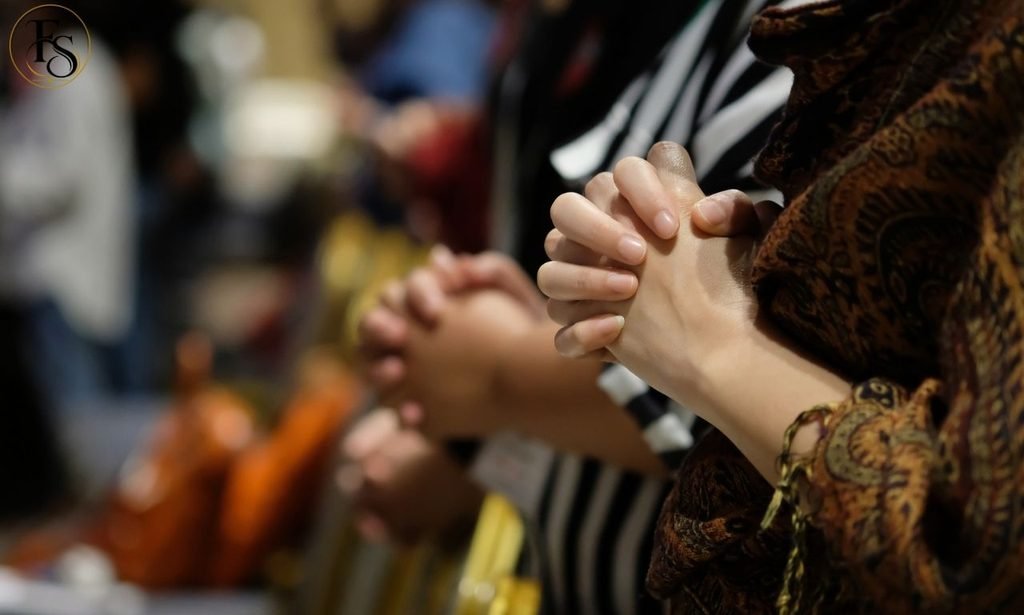
How to Begin a Prayer in the Morning
Morning is a natural time to practice how to begin a prayer because it allows you to place your day before God before responsibilities become overwhelming.
You could begin:
“Heavenly Father, thank You for waking me up today. Please guide me through everything I face. Give me wisdom in my decisions, patience with others, strength when I become tired, and peace when I feel anxious.”
A morning prayer does not need to be long.
Try beginning with three things:
- Thank God for a new day.
- Ask for guidance.
- Pray for the people you will encounter.
The goal is not to spend a certain number of minutes. The goal is to create a meaningful moment of connection and reflection.
Ending a reflective moment with thoughtful words can help create a sense of peace and completion. Many people explore closing prayers as a way to express gratitude, hope, and positive intentions before moving forward.
How to Begin a Prayer at Night
At night, how to begin a prayer can be connected to reflection and gratitude.
Try:
“Father, thank You for bringing me through this day. I am grateful for the good moments and for the strength You gave me during difficult ones. Please forgive my mistakes, calm my mind, and give me peaceful rest tonight.”
Night prayer can include thanksgiving, confession, forgiveness, protection, and surrender.
You can review your day honestly without turning prayer into self-condemnation.
Ask yourself:
- What am I thankful for?
- Where did I need God’s help?
- Who needs prayer tonight?
- What do I need to surrender?
How to Begin a Prayer for Guidance
When facing an important decision, you may wonder how to begin a prayer for wisdom.
Start directly:
“Lord, I need Your wisdom. I do not want to make this decision based only on fear, pressure, or emotion. Please guide my thoughts and help me recognize the path that honors You.”
A prayer for guidance can mention a specific situation. You do not have to hide your uncertainty.
Ask for wisdom, patience, discernment, courage, and peace.
You can also spend time reading Scripture after your prayer. Prayer and Scripture can work together as part of a thoughtful devotional routine.
How to Begin a Prayer for Strength
When you feel exhausted, begin.
“God, I feel tired and overwhelmed. Please give me strength for what I have to face today.”
This is an honest example of how to begin a prayer during a difficult season.
You can then explain what is draining you.
Maybe you are dealing with work pressure, family problems, grief, financial concerns, disappointment, or uncertainty.
Tell God exactly what you are carrying.
A strength prayer can ask for endurance rather than an immediate change in circumstances.
How to Begin a Prayer for Forgiveness
A prayer for forgiveness can begin with honesty.
“Merciful Father, I recognize that I have made mistakes. I am sorry for the ways I have gone against Your will. Please forgive me and help me change.”
When learning how to begin a prayer for forgiveness, remember that honesty is more meaningful than trying to sound impressive.
Name what you need to confess when appropriate, ask for forgiveness, and seek the strength to make better choices.
Forgiveness prayer can also include asking for help in forgiving others.
How to Begin a Prayer of Gratitude
Gratitude is one of the easiest ways to learn how to begin a prayer because you can start with something you genuinely appreciate.
Say:
“Lord, thank You for the blessings I sometimes overlook. Thank You for life, for the people who love me, and for every opportunity to grow.”
Then become specific.
Thank God for a conversation that encouraged you, a meal, a safe journey, a family member, a new opportunity, or simply another day.
Specific gratitude often makes prayer feel more personal.
How to Begin a Heartfelt Prayer
A heartfelt prayer does not need complicated vocabulary.
If you want to know how to begin a prayer from the heart, speak honestly.
“Father, I have been carrying something in my heart that I do not know how to explain. You already know what I am feeling, but I want to bring it to You. Please help me.”
From there, speak naturally.
Do not worry about sounding poetic.
A heartfelt prayer can include pauses, tears, questions, silence, or very simple sentences.
Short Examples of How to Begin a Prayer
Here are short openings you can use when you need immediate words.
Short Prayer for Peace
“Lord, my heart is restless. Please give me Your peace and help me trust You.”
Short Prayer for Guidance
“Father, guide my decisions and help me choose wisely.”
Short Prayer for Strength
“God, I feel weak today. Please give me the strength to keep going.”
Short Prayer for Protection
“Lord, please watch over me and the people I love today.”
Short Prayer for Family
“Heavenly Father, bless my family and keep us close to You.”
Short Prayer for Forgiveness
“Father, forgive my mistakes and help me walk in a better direction.”
Short Prayer for Gratitude
“Lord, thank You for everything You have given me, including the blessings I sometimes fail to notice.”
Short Prayer When You Feel Lost
“God, I feel lost right now. Please show me the next step.”
These examples demonstrate how to begin a prayer without making prayer complicated.
How to Begin a Prayer Using Scripture
Scripture can be an excellent starting point when you do not know what to say.
Choose a verse or Psalm and respond to it personally.
For example, after reading a passage about God’s faithfulness, you might pray:
“Father, Your Word reminds me that You are faithful. Help me remember that truth when I feel afraid.”
This approach turns Bible reading into personal prayer.
The Church of England recommends approaches such as reading a Psalm, using a prayer book, or reflecting on a prayer phrase when someone needs help getting started.
How to Begin a Prayer for Someone Else
Intercessory prayer can begin by naming the person.
“Father, I bring my friend before You today. You know what they are going through, so please give them strength, comfort, wisdom, and peace.”
Then explain the situation.
You can pray for a friend, spouse, child, parent, coworker, church member, or someone you do not personally know.
Praying for others can help you move beyond your own concerns and develop compassion.
How to Begin a Prayer When You Are Emotional
Strong emotions can make prayer difficult.
If you are crying, angry, frightened, or grieving, you do not need to wait until you feel calm.
One honest approach to how to begin a prayer is:
“God, I am hurting, and I do not know how to carry this right now. Please stay close to me.”
You can continue from there.
You may explain what happened, what you fear, what you hope for, and what you need.
Prayer does not require you to hide your emotions.
How to Begin a Prayer When You Feel Far From God
Sometimes the difficulty is not knowing what words to use. It is feeling spiritually distant.
Start there:
“Lord, I feel far away from You. I want to reconnect with You, even though I do not know where to start.”
This is an honest prayer.
You can then ask for renewed faith, desire, understanding, and consistency.
A prayer life does not have to begin with a dramatic spiritual experience. Small and regular moments can gradually create a rhythm. The Church of England similarly describes regular prayer as a spiritual rhythm and encourages people not to give up when prayer feels difficult.
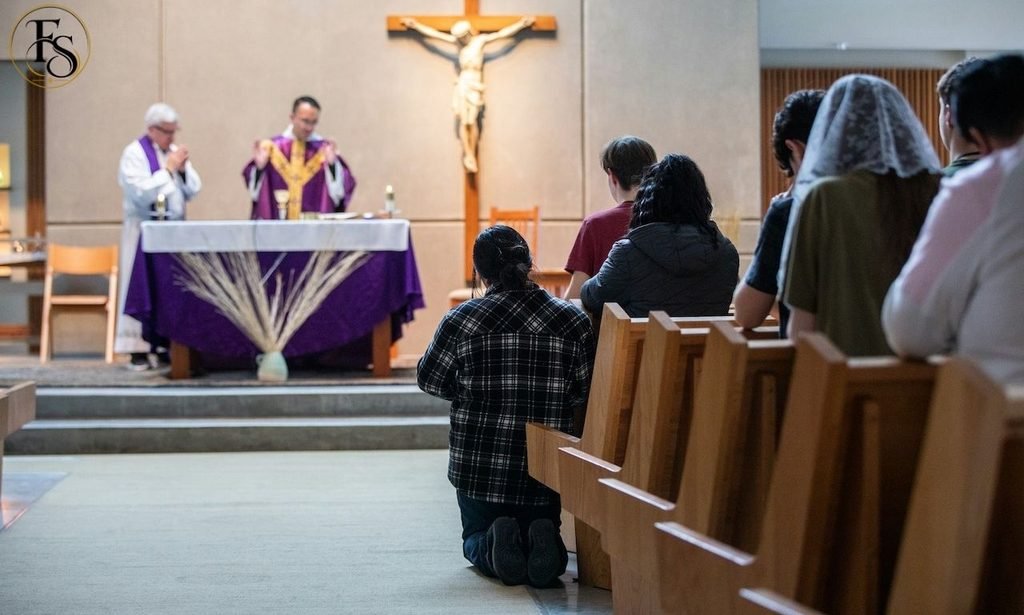
How to Begin a Prayer in a Group
Starting a public prayer can feel different from personal prayer.
If you are leading a group, keep the opening clear and welcoming.
For example:
“Heavenly Father, thank You for bringing us together today. We invite You into this time and ask You to guide our hearts, our conversations, and our decisions.”
Then move naturally into the purpose of the gathering.
A group prayer does not need complicated language. People usually respond well to sincerity, clarity, and a focused purpose.
People often seek guidance and support when facing important decisions or difficult moments in life. A prayer of petition can be a meaningful way to express personal hopes, requests, and feelings with sincerity.
How to Begin a Prayer for a Difficult Situation
When circumstances are difficult, begin by acknowledging God’s presence.
“Lord, this situation is difficult, and I do not understand everything that is happening. Please give me wisdom, patience, courage, and faith as I walk through it.”
You can then name the situation.
Do not feel that you must immediately ask for everything to change. You can ask for strength to endure, wisdom to respond, comfort, protection, and the ability to recognize helpful opportunities.
A Five-Minute Prayer Routine for Beginners
If you want to practice how to begin a prayer every day, try this five-minute structure.
Minute One: Be Still
Take a few slow breaths and remove distractions.
Minute Two: Praise
Tell God what you appreciate about His character.
Minute Three: Give Thanks
Name three things you are grateful for.
Minute Four: Ask
Bring your needs and the needs of others to God.
Minute Five: Be Quiet
Spend a moment in silence and reflection.
You do not need to make this routine perfect. Consistency matters more than creating a complicated schedule. Several current beginner guides similarly emphasize that prayer can start small and that regular practice can be more useful than worrying about length.
Common Mistakes Beginners Make When Starting Prayer
Understanding how to begin a prayer also means understanding what you do not need to worry about.
Trying to Sound Perfect
Prayer is not a public-speaking competition.
You do not need sophisticated vocabulary.
Thinking Prayer Must Be Long
A short sincere prayer can be meaningful.
Do not assume that a longer prayer is automatically better.
Comparing Your Prayer With Someone Else’s
Another person’s prayer style may be different from yours.
Learn from others without believing that you must copy their personality or vocabulary.
Waiting for the Perfect Moment
You can pray now.
A quiet morning is useful, but prayer can also happen during an ordinary moment.
Repeating Words Without Meaning
Memorized prayers can be valuable, but try to understand the words rather than saying them mechanically.
Believing You Need Everything Figured Out
You can pray while confused.
You can pray while learning.
You can even begin with:
“God, help me understand how to pray.”
How to Build a Consistent Prayer Life
Once you understand how to begin praying, the next challenge is continuing.
Choose a realistic time.
For some people, morning works well. Others prefer evening. Some pray during lunch, while commuting, walking, or before bed.
Start small.
A five-minute prayer habit is better than creating an unrealistic one-hour routine that you quickly abandon.
Keep a prayer journal if writing helps you focus.
You can record:
- What you prayed about
- People you are praying for
- Things you are grateful for
- Bible verses that encouraged you
- Questions you are bringing to God
- Ways your perspective changes over time
The purpose is not to create pressure. It is to develop consistency.
A Complete Beginner Prayer
If you are still unsure how to begin a prayer, you can use this prayer as a starting point:
Heavenly Father,
I come before You just as I am. I do not always know what to say, but I want to spend this time with You. Thank You for giving me another day and for the blessings I sometimes forget to recognize.
Please forgive me for my mistakes and help me learn from them. Give me wisdom when I have difficult decisions to make. Give me strength when I feel tired, peace when I feel anxious, and courage when I feel afraid.
Please watch over my family, friends, and everyone who needs Your help today. Help me become more patient, loving, faithful, and willing to listen.
Teach me to trust You even when I cannot see what comes next. Help me understand Your Word and apply it to my life.
Thank You for hearing me. Help me continue growing in faith and make prayer a genuine part of my daily life.
Amen.
What If You Get Distracted During Prayer?
Distraction is normal.
If your mind wanders, gently return your attention to God.
You might say:
“Lord, my mind is wandering. Please help me focus.”
Then continue.
You do not have to restart the entire prayer.
Prayer guides for beginners often recognize distraction and uncertainty as normal parts of learning. Some recommend returning to simple words, Scripture, or silence rather than treating distraction as failure.
Can You Pray Without Speaking Out Loud?
Yes. Personal prayer does not have to be spoken aloud.
You can pray silently while sitting, walking, working, or resting.
If speaking feels uncomfortable, write your prayer in a notebook.
If writing feels difficult, repeat one meaningful sentence quietly in your mind.
The important thing is intentionally turning your attention toward God.
Can You Use the Same Opening Every Day?
Yes.
You can begin with “Father,” “Lord,” or another respectful form of address every day.
However, your prayer does not need to become repetitive.
One morning you may begin with gratitude. Another day you may begin with a request for help. On another day, you may begin with confession or say that you feel tired.
The framework can stay familiar while the content changes.
FAQs
What is the easiest way to begin a prayer?
The easiest way to begin a prayer is to address God and speak honestly. You can say, “Father, thank You for today,” or “Lord, I need Your help.” There is no requirement to use complicated language.
What should I say first when I pray?
You can begin with God’s name or a respectful title such as “Father,” “Lord,” or “Heavenly Father.” Then you can praise God, give thanks, or explain what is on your heart.
How do I begin a prayer when I do not know what to say?
Say exactly that. You can pray, “God, I do not know what to say, but I want to come to You.” You can also read a Psalm or use the Lord’s Prayer as a framework.
Do I need to use special words when praying?
No special vocabulary is required. Simple, sincere language can communicate what is on your heart. Many beginner prayer resources emphasize that prayer is not a performance requiring impressive language.
How long should a prayer be?
There is no universal required length. A prayer can be one sentence or much longer. Focus on sincerity and purpose rather than trying to reach a specific word count.
Can I pray anywhere?
Yes. You can pray in a quiet room, at home, outdoors, at church, while walking, or during an ordinary moment. A quiet location may make concentration easier, but you do not need a special place.
How can I begin a morning prayer?
Start by thanking God for the new day. Then ask for wisdom, strength, protection, and guidance. You can also pray for your family and the people you expect to encounter.
How can I begin a prayer for someone else?
Name the person before God and explain what they need. For example: “Father, I bring my friend before You today. Please give them strength, comfort, wisdom, and peace.”
Can I pray if I feel spiritually distant?
Yes. In fact, you can make that feeling the beginning of your prayer. Tell God honestly that you feel distant and ask for renewed faith, understanding, and closeness.
Is there one correct way to begin a Christian prayer?
There is no single opening sentence that every Christian must use. Traditions differ, but common approaches include addressing God, praising Him, giving thanks, confessing, asking for help, and following the model Jesus gave His disciples.
Should I end every prayer with “Amen”?
Many Christians use “Amen” at the end of prayer. It is a traditional conclusion that expresses agreement and affirmation. However, the deeper purpose of prayer is sincere communication with God rather than simply using a particular closing word.
Final Thoughts
Learning how to begin a prayer does not have to feel complicated. You do not need impressive words, a perfect environment, or years of experience. Start by turning your attention toward God and saying what is genuinely on your heart.
You can begin with gratitude:
“Father, thank You for today.”
You can begin with a request:
“Lord, please guide me.”
You can begin with honesty:
“God, I am struggling and I need Your help.”
You can begin with uncertainty:
“Father, I do not know what to say.”
Any of these can become the first step into a meaningful prayer.
The most important lesson about how to begin a prayer is to stop waiting for perfect words. Prayer can be simple, personal, honest, and sincere. If you are nervous, begin with one sentence. If you are emotional, tell God how you feel. If you are grateful, give thanks. If you are confused, ask for wisdom.
As you continue praying, your words may naturally become more personal, and your prayer life may develop its own rhythm. Current Christian guidance similarly encourages people to begin, use Scripture when helpful, and develop a regular rhythm rather than treating prayer as a performance.
So if you are asking how to begin a prayer right now, you do not need to search for a perfect opening.
Begin.
“Heavenly Father, I am here. Please hear my heart and teach me how to pray.”
Amen.
4 thoughts on “How to Begin a Prayer: A Powerful Guide for Beginners”