

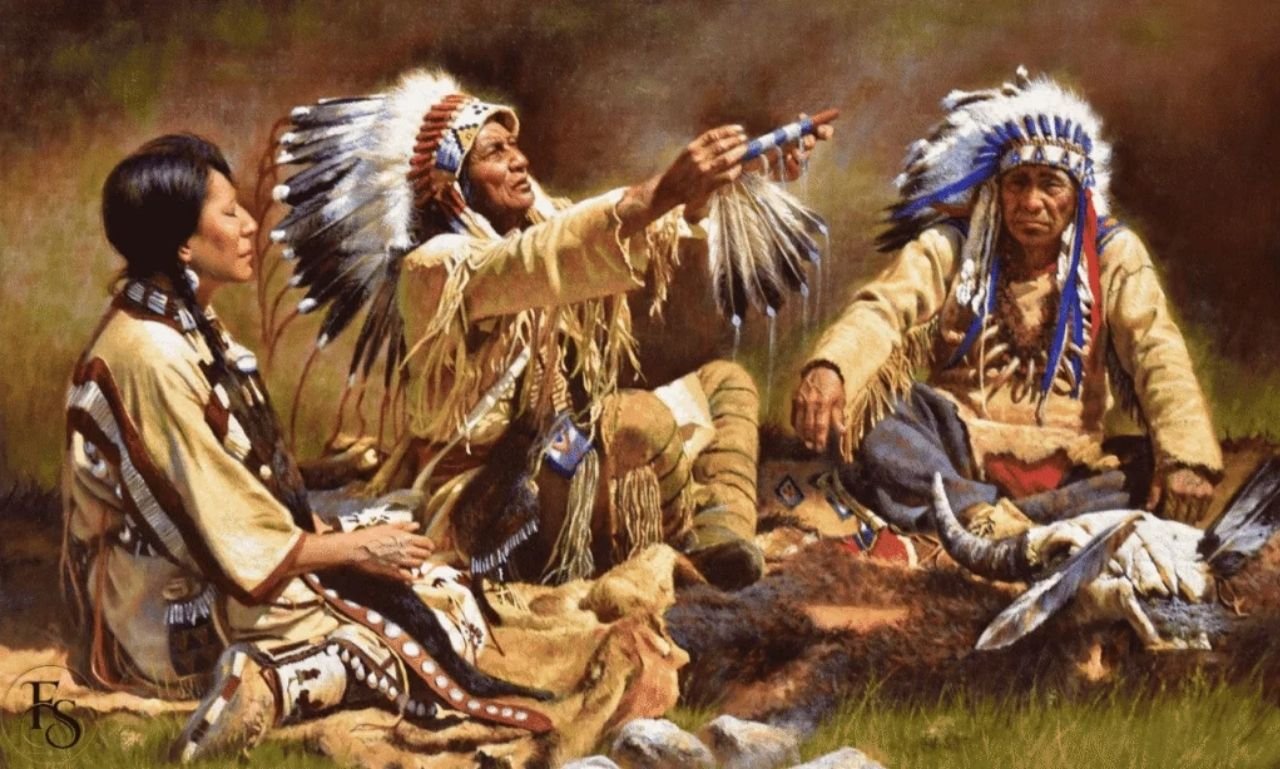
Native American prayers are often searched by people looking for words of gratitude, peace, healing, strength, guidance, and a deeper relationship with creation. But the phrase “Native American prayers” does not describe one single religious tradition. Indigenous peoples in North America represent many distinct nations, languages, histories, and spiritual practices. The National Museum of the American Indian emphasizes that there is no single American Indian culture or language and that tribal communities have their own traditions and beliefs.
That distinction matters when reading or sharing Native American prayers. A prayer associated with the Lakota, Cherokee, Ute, Pueblo, Chinook, or another nation should not automatically be presented as a universal Native teaching. Some prayers found online also have uncertain authorship or have been adapted over time. The goal of this collection is therefore to offer respectful, original prayers inspired by themes commonly found in documented resources while clearly separating those new prayers from historical or attributed texts.
What Are Native American Prayers?
Native American prayers are not one standardized set of words. Prayer and spiritual practice vary greatly among Indigenous nations and communities. Documented collections include prayers connected with gratitude, the Earth, family, peace, courage, daily life, the directions, creation, and the relationship between people and the natural world.
Many Native American prayers emphasize relationship rather than separation. Nature may be approached as part of a larger network of life, while gratitude can extend to land, water, animals, plants, ancestors, family, community, and the Creator. These themes appear differently from one community to another, so they should not be treated as a single formula.
For readers, Native American prayers can be used as a starting point for quiet reflection, gratitude, or learning. When a prayer has a known tribal or individual attribution, preserve that attribution rather than presenting it as anonymous Native wisdom.
A Note About Cultural Diversity and Respect
The most important thing to understand before reading Native American prayers is that Indigenous cultures are diverse and living. The National Museum of the American Indian notes that there are more than 2,000 tribal groups in the Americas and that tribes have unique cultures and ways of life. It also recommends avoiding generalizations and using terminology that reflects the community being discussed.
This means a respectful article should avoid phrases such as “all Native Americans believe” or “the Native American prayer.” It is more accurate to say that a particular prayer is associated with a particular nation, community, writer, or source when that information is known.
It is also important not to imitate closed ceremonies or claim authority over traditions that belong to a specific community. Native American prayers can be appreciated as written sources, spiritual reflections, or cultural resources without pretending that an online collection represents the sacred practices of every Indigenous nation.
Native American Prayers for Peace
The following Native American prayers are original prayers written for this article. They are not presented as traditional tribal prayers.
Prayer for Peace
Creator of life, quiet my heart when fear becomes louder than wisdom. Help me move through this day with patience, respect, and care. May my words bring peace rather than conflict, and may my actions leave room for others to breathe, heal, and belong. Teach me to notice the beauty around me and to remember that peace begins with how I treat the people and world entrusted to my care. Amen.
Short Prayer for Peace
Creator, give me a peaceful heart, a thoughtful voice, and the courage to choose kindness when anger would be easier.
Two-Word Prayer Themes
- Quiet peace
- Gentle strength
- Sacred gratitude
- Clear guidance
- Patient heart
- Healing connection
- Loving kindness
- Steady courage
These short themes can be used as prompts for personal reflection rather than as claims about a specific tribal ceremony.
Native American Prayers for Strength
Strength is a recurring theme in many spiritual resources associated with Indigenous traditions, but strength can mean different things. It may involve courage, endurance, responsibility, patience, humility, or the ability to continue caring for others.
Prayer for Inner Strength
Great Mystery of life, give me strength without pride and courage without cruelty. When the road becomes difficult, help me take the next honest step. When I am tired, remind me that rest is not failure. When I am afraid, help me act with wisdom. Let my strength become a way of protecting what is good, supporting my family, and treating every living thing with respect.
Prayer for Strength During Hard Times
When life feels heavier than I can carry, help me remember that I do not have to solve everything at once. Give me patience for today, courage for tomorrow, and gratitude for the people who walk beside me. Teach me to endure without becoming hard and to remain compassionate while I face what is difficult.
Native American Prayers for Healing
Healing can be understood in many ways, including physical recovery, emotional renewal, restored relationships, and a return to balance. A respectful approach avoids claiming that one prayer guarantees a particular outcome.
Prayer for Healing
Creator, surround this person with care, peace, and loving support. Bring comfort to the body, calm to the mind, and hope to the heart. Give strength to those who are helping, wisdom to those providing care, and patience during the waiting. May each new day bring a little more courage, rest, and renewal.
Prayer for Emotional Healing
Help me release what I cannot change while honoring what I have learned. Give me space to grieve, courage to speak honestly, and patience with the parts of myself that are still healing. May I find safe people, quiet moments, and meaningful reasons to hope again.
Native American Prayers for Gratitude
Gratitude is a natural theme in many collections of Indigenous prayers and reflections. Rather than reducing this idea to a single formula, it can be practiced through attention to relationships, place, food, family, community, and the living world.
Many people seek encouragement, reflection, and support while working through personal challenges and life changes. Exploring A.A. prayers for Alcoholics Anonymous can provide insight into the role of prayer and reflection within recovery-focused communities.
Prayer of Gratitude for Creation
Creator, I give thanks for this day and for the life that surrounds me. Thank you for the water that sustains us, the earth that supports us, the food that nourishes us, and the people who teach us how to care. Help me receive these gifts without taking them for granted. Make gratitude visible in the way I live, share, work, and protect what has been placed in my care.
Short Gratitude Prayer
Thank you for this breath, this day, this earth, and every person whose presence makes life more meaningful.
Native American Prayers for the Earth
Earth-centered prayer is one of the strongest themes readers encounter when exploring Native American prayers online. Still, the meaning of land and creation differs among Indigenous nations. The National Museum of the American Indian describes the close relationships many Native peoples have with homelands, place, kinship, and responsibilities.
Prayer for the Earth
Great Mystery, teach me to live gently upon the earth. Help me notice the water before it becomes scarce, the soil before it is damaged, and the living creatures before they disappear from view. Let gratitude become responsibility. May I waste less, care more, and remember that my choices affect people, animals, plants, and generations beyond my own.
Prayer for Water
May I never treat water as something ordinary. Give me gratitude for every river, lake, spring, rain, and drop that sustains life. Teach me to protect clean water and to remember the communities, animals, plants, and future generations that depend upon it.
Native American Prayers for Family
Family prayer can focus on love, safety, wisdom, patience, and the responsibility people have toward one another.
Prayer for Family
Creator, watch over my family and teach us to care for one another with patience. Give us wisdom when we disagree, humility when we are wrong, and courage when someone needs help. May our home be a place where people are heard, protected, forgiven, and encouraged to grow.
Prayer for Children
Guide the children in my family as they learn who they are and how they belong. Keep them safe, surround them with trustworthy people, and help them grow in courage, kindness, curiosity, and responsibility. May they know that they are valued and that their choices can help strengthen their community.
Native American Prayers for Guidance
Many people search for Native American prayers when they are facing a difficult decision. A guidance prayer can create space for careful listening rather than promising a magical answer.
Prayer for Guidance
Great Mystery, I am standing at a crossroads and do not know which path to choose. Slow my thoughts so I can listen clearly. Help me recognize what is wise, what is harmful, and what is simply driven by fear. Give me patience to seek counsel, courage to accept truth, and humility to change direction when I need to.
One-Word Prayer Themes for Guidance
- Wisdom
- Clarity
- Patience
- Courage
- Discernment
- Balance
- Trust
- Direction
Native American Prayers for Protection
Protection can be expressed as a prayer for safety, wisdom, healthy relationships, and care for vulnerable people. It does not need to imitate a ceremony from a specific community.
Prayer for Protection
Creator, keep those I love safe as they travel, work, learn, and rest. Give them wisdom around danger and trustworthy people around them. Help me protect others through responsible choices, honest words, and practical care. May courage guide us when we must face difficult circumstances.
Native American Prayers for Morning Reflection
A morning prayer can help a person begin the day with gratitude and intention. One documented resource from Xavier University describes a three-step prayer practice associated with José Hobday that includes gratitude for creation, releasing the previous day, and entering the new day with hope.
The following is an original reflection, not a reproduction of that practice.
Many people study prayer to better understand its meaning, purpose, and role in spiritual growth. Exploring a Bible study on prayer can help readers learn more about biblical teachings, reflection, and different approaches to developing a deeper prayer life.
Morning Prayer
Creator, thank you for the gift of another morning. Help me enter this day awake to the people, places, and opportunities around me. Let me leave yesterday’s mistakes where they belong while carrying forward the lessons they taught me. Give me clear intentions, generous patience, and the courage to make this day useful to someone beyond myself.
Native American Prayers for Evening Reflection
Evening prayer can be a time to review the day, express gratitude, acknowledge mistakes, and release anxiety.
Evening Prayer
As this day closes, help me remember what was good and learn from what was difficult. I give thanks for the people who helped me, the moments that taught me, and the beauty I noticed. Where I caused harm, give me courage to make amends. Where I was hurt, give me wisdom about what I should carry and what I should release. Let rest prepare me for another day of responsible living.
Native American Prayers for the Four Directions
Four-direction prayers appear in some sources, but they should not be presented as a universal Native American practice. The Santa Fe Presbytery, for example, publishes a prayer associated with the Four Directions, while Xavier’s collection includes a separate Seven Directions practice. These sources show why attribution matters.
Here is an original four-direction reflection for personal use:
East — New Beginnings
May I welcome the new day with courage, gratitude, and an open mind. Help me begin again where beginning again is needed.
South — Warmth and Growth
May I treat people with warmth and patience. Help me grow through love, responsibility, and honest relationships.
West — Rest and Reflection
As the light changes, help me release what has ended. Give me wisdom to learn from the past without becoming trapped in it.
North — Courage and Endurance
When cold winds or difficult circumstances arrive, give me steadiness. Help me remain responsible, compassionate, and brave.
Native American Prayers for Loved Ones
When someone you love is struggling, a simple prayer can express care without trying to control the outcome.
Prayer for Someone I Love
Creator, hold this person in your care. Give them strength where they feel weak, peace where they feel overwhelmed, and good people beside them when the road becomes difficult. Help me support them with patience rather than empty promises. May my presence become a source of comfort, honesty, and hope.
A Deep Prayer for Connection and Belonging
Some Native American prayers and teachings use images of relationship, kinship, creation, and belonging. A reader can reflect on those themes without claiming that a personal prayer is an Indigenous ceremonial text.
Prayer for Belonging
Great Mystery, remind me that I live within relationships larger than myself. Help me respect the people around me, care for the land beneath my feet, and understand that my choices affect others. Teach me to receive help with humility and offer help without seeking praise. Let me become more responsible to my family, my community, and the living world.
Short Native American Prayers for Daily Reflection
Short prayers can be useful when you have only a few quiet moments.
For peace: Creator, quiet my heart and guide my words.
For strength: Give me courage for the work this day requires.
For gratitude: Thank you for life, relationships, and another chance to learn.
For guidance: Help me see clearly before I choose.
For healing: Bring comfort, patience, and renewed hope.
For family: Keep those I love safe and help me serve them well.
For the Earth: Teach me to care for the ground, water, and life around me.
For forgiveness: Give me humility to admit my wrong and wisdom to repair it.
How to Use These Prayers Respectfully
If you are using Native American prayers for personal reflection, start by recognizing what you are actually reading. An original prayer written for a general audience is different from a traditional prayer connected to a specific nation.
When a source identifies a prayer as Lakota, Cherokee, Ute, Pueblo, Chinook, Tewa, or another tradition, keep that attribution visible. Do not combine several traditions and label the result “the Native American way.” That approach can erase the differences that make each community distinct.
It is also wise to learn from Native-authored or Native-community sources when possible. The National Museum of the American Indian recommends learning specific community terminology and avoiding generalizations. This makes online spiritual content more accurate and respectful.
If a ceremony is described as private or closed, do not reproduce it as a do-it-yourself ritual. Reading a publicly available prayer and learning about its context is different from claiming participation in a sacred ceremony.
What Makes a Prayer Meaningful?
A meaningful prayer does not have to be long. It can begin with one honest sentence: “Help me live with wisdom today.” It can also become a longer reflection on family, grief, healing, gratitude, or responsibility.
The most useful Native American prayers for readers are those that match the situation without pretending to represent every Indigenous tradition. A short prayer may be best for a morning routine, while a longer reflection may help during grief or a difficult decision.
A prayer can also become more meaningful when it leads to action. Gratitude for water can encourage conservation. A prayer for family can lead to a phone call. A prayer for peace can encourage a calmer response during conflict. Spiritual reflection becomes stronger when it changes how a person lives.
Can These Prayers Be Shared?
Yes, original prayers from this article can be read, saved, or shared for personal reflection. When sharing a traditional or attributed prayer from another source, keep the attribution and do not remove important context.
For social posts, a short original prayer usually works better than copying a long historical text without explanation. You can share one prayer with a brief note about its purpose, such as peace, gratitude, strength, or reflection.
Avoid adding invented tribal names, fake quotations, or unsupported claims to make a prayer appear more authentic. Accuracy is more valuable than dramatic presentation.
Frequently Asked Questions
What are Native American prayers?
Native American prayers are not one standardized collection. They come from many distinct Indigenous nations and communities, each with its own languages, beliefs, practices, and traditions. Publicly available examples include prayers focused on creation, gratitude, peace, strength, family, and the Earth.
What is a short Native American prayer?
A short prayer can express one clear intention, such as gratitude, peace, guidance, or courage. For example: “Creator, help me walk today with patience, respect, and a grateful heart.” This is an original prayer, not a traditional quotation.
Are Native American prayers all the same?
No. Indigenous nations have different cultures, languages, histories, and spiritual traditions. The National Museum of the American Indian specifically warns against treating American Indian cultures as one single culture.
What is a Great Spirit prayer?
“Great Spirit” appears in a number of online collections, including Xavier University’s Native American prayer resource. However, the phrase should not be treated as the universal name for the Creator in every Indigenous nation. Specific communities use different names and concepts.
Are Four Directions prayers Native American?
Some Native traditions and modern spiritual resources use directional prayer or reflection, but there is no single Four Directions prayer shared by every Native nation. Public resources document different versions, so the source and community should be identified.
Can I use these prayers every morning?
Yes, the original prayers in this article can be used for personal morning reflection. If you are using a traditional prayer, read the source and attribution first so you understand its cultural context.
Can I use these prayers for healing?
You can use a prayer as a spiritual expression of hope, comfort, and support. Prayer should not be presented as a substitute for professional medical care when someone is sick or injured.
Can I share Native American prayers on social media?
You can share original prayers or public material according to its source and permissions. When a prayer has an attribution, keep the attribution. Do not present a modern original prayer as an ancient tribal text.
How can I learn more respectfully?
Start with Native-authored sources, tribal nation websites, museums, libraries, and educational resources that identify specific communities. Learn the name of the nation connected with a tradition instead of treating every Indigenous practice as interchangeable.
Why is attribution important?
Attribution helps readers distinguish a documented traditional or individual work from a modern adaptation. It also respects the people, communities, writers, and sources connected with a prayer.
Final Thoughts
Native American prayers can open thoughtful conversations about gratitude, peace, strength, family, responsibility, creation, and belonging. The most respectful approach is to remember that Indigenous spirituality is not one uniform system. Different nations have their own histories, languages, teachings, and living traditions.
Use original prayers as personal reflections, and treat traditional prayers with careful attribution. When a source names a specific nation or author, preserve that information. When the origin is uncertain, say so rather than inventing a history.
The best prayer is not necessarily the longest or most dramatic. It is the one that encourages honesty, gratitude, responsibility, compassion, and meaningful action. Let prayer lead to better attention, better relationships, and greater care for the world around you.
3 thoughts on “Native American Prayers: Powerful Words for Peace”